


by Ivan Longo
The Trump administration renewed its threats against Brazilian exports on Wednesday, Nov. 25, by proposing an additional 10% tariff on aircraft made in Brazil, which would hit state company Embraer, and a higher tariff on sugar. Aircraft had been exempt from the surcharge imposed in July, and the proposal would end that exemption to increase pressure on Brazil.
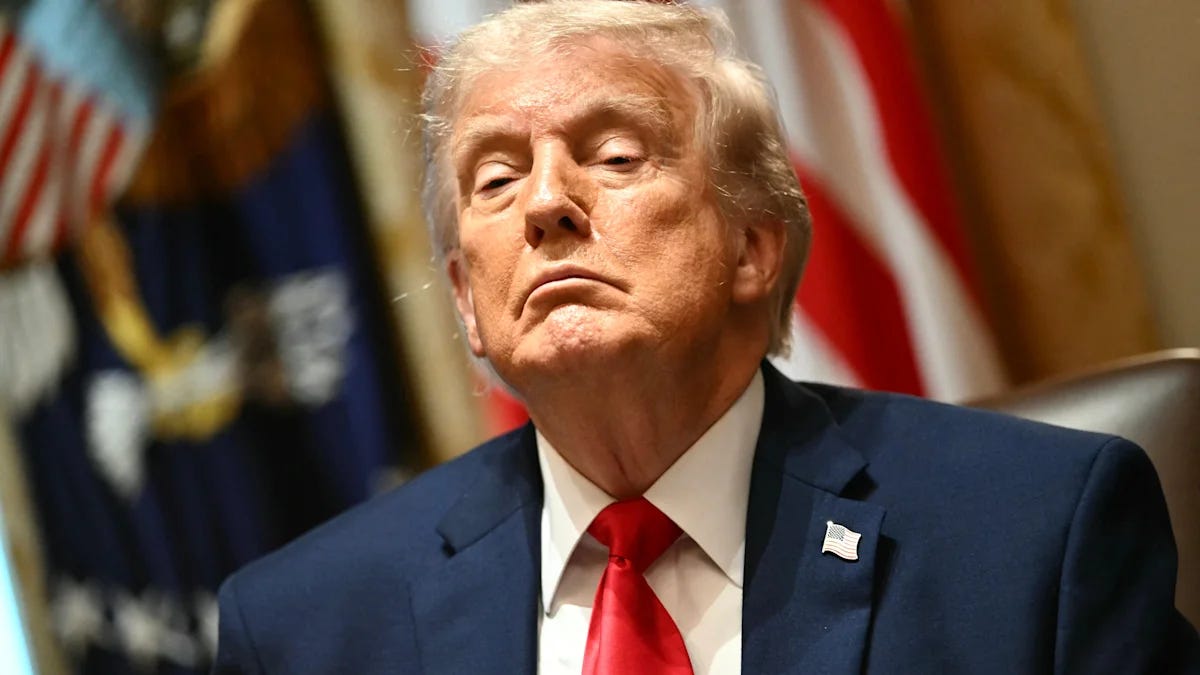
(photo: Kent Nishimura/Getty Images)
President Lula da Silva’s government responded with outrage and accused the United States of using tariffs to interfere in Brazil’s domestic policies. “Brazil will not give in to this kind of threat,” the government said in a statement. The statement also named one of the main aims of the U.S. offensive, which is to force changes to the rules of Pix, the public payment system that competes with U.S. credit card companies.
According to the government, the new recommendation seeks changes to Brazilian regulations on Pix, digital trade and preferential agreements, among other areas. The threat against aircraft and sugar is therefore tied to a dispute over a service that Brazilians use to pay bills, shop and transfer money.
The Office of the U.S. Trade Representative (USTR) acknowledges that the new barriers are meant to give it more leverage to push Brazil to end policies that Washington opposes. The proposal is part of an investigation under Section 301 of the Trade Act of 1974, which lists electronic payment services among its targets.
Why Pix bothers the U.S.
The interests of card companies help explain the connection. U.S. networks such as Visa and Mastercard operate in Brazil’s payments market, where credit and debit card purchases carry acceptance fees that merchants must pay. Pix gives businesses another option, because it moves money directly between accounts, delivers it within seconds and costs merchants less.
The Central Bank of Brazil cites the lower cost of receiving payments, compared with other methods, as one reason businesses adopt Pix. The tool works at any hour on any day, and one of its goals is to expand competition and financial inclusion. The dispute therefore involves the market for processing payments made by the public and by businesses.
The Trump administration’s own documents show its discomfort with this model. In its 2026 report on trade barriers, released March 31, the USTR noted that the Central Bank created, owns, operates and regulates Pix. The USTR repeated concerns from U.S. industries that the bank gives Pix preferential treatment, which harms U.S. electronic payment providers. It also pointed to the requirement that financial institutions with more than 500,000 accounts take part in Pix.
The challenge thus reaches the way a public infrastructure under Brazilian regulation is organized. The Central Bank presents that infrastructure as a way to cut costs and increase competition.
Lula had already pointed to the interests of card companies
Lula had already linked the attacks on Pix to the interests of U.S. credit card companies. At an event in Catalão, in Goiás state, on June 2, he said: “The Americans’ concern is that Pix could badly shake their credit card companies here in Brazil.”
Lula had defended the system even earlier. On April 2, during a visit to Salvador, Bahia, he responded to criticism in the U.S. trade report by saying, “Pix belongs to Brazil, and no one is going to make us change Pix.” He also called for improving the tool to meet the needs of Brazilians.
On July 17, after another round of U.S. tariffs, Lula’s official social media accounts reinforced his position with a post that read, “Nobody is going to change our Pix. It is public, it is free for consumers and it will stay that way.” The caption added, “Our sovereignty is not up for negotiation.”
Minister says Brazil will not give in
Márcio Elias Rosa, Brazil’s minister of Development, Industry, Trade and Services, also tied the new tariff threat to pressure for changes in Brazilian policies. As Fórum reported, Rosa said Wednesday that the Trump administration made this goal explicit.
“On this point, Brazil will not give in,” Rosa said. He added that Brazil will keep negotiating and receiving proposals, but will defend the interests of its economy.
The government’s statement also demanded that Washington send the terms of reference for a possible economic and trade agreement. According to the government, the USTR promised the document during bilateral negotiations and has still not sent it, despite repeated requests. Brazil said it still wants a negotiated solution, but it did not rule out action at the World Trade Organization (WTO) or reciprocity measures.
The new tariffs are still under discussion. The USTR will accept written comments until Dec. 30, and a public hearing is set for Jan. 14, 2027. The proposal would remove the exemption for Brazilian aircraft and raise tariffs on certain sugar products, with the aim of winning concessions that Washington failed to get in negotiations.
Below is the full statement from Lula’s government:
“The Brazilian government expresses outrage at the decision by the Office of the U.S. Trade Representative to recommend new tariffs on imports of aircraft and sugar.
For more than a year, we have negotiated in good faith under Section 301 of the Trade Act of 1974.
On Aug. 21, Presidents Lula and Donald Trump spoke by phone and agreed to create a working group between the two countries on trade issues.
On Aug. 31, Foreign Minister Mauro Vieira and Minister of Development, Industry, Trade and Services Márcio Elias Rosa held a virtual meeting with U.S. Trade Representative Jamieson Greer. At that meeting, the USTR committed to sending the terms of reference for a possible economic and trade agreement between the two countries.
On Sept. 30, Vieira and Rosa met again in person with Greer.
To this day, the terms of reference have not been sent, despite repeated requests from the Brazilian government.
It is clear that the new recommendation aims to pressure the government to change national regulatory measures related to the PIX payment system, digital trade and preferential agreements, among others, according to today’s announcement.
The USTR’s unilateral decision is an unacceptable action within the ongoing bilateral negotiating process. Brazil will not give in to this kind of threat.
Brazil will keep seeking a negotiated solution, without prejudice to action at the WTO and without ruling out reciprocity measures in response to the illegal and unfair application of tariffs on Brazilian products.”
This article first appeared in Revista Fórum, was translated with express authorization from its editor-in-cheif, and can be read in its original Portuguese here.
https://substack.com/profile/523555597-gil/note/c-397409119?utm_source=notes-share-action&r=8npm31
Trump mafia agenda; sabotage all of usa to submitt for extortion w wars. pit pit egg shtt creates new procurement rules for pentagon supply chain to allow fraud and spy from don jr and emuskrat control of weapons.