


by Marcelo Zero
Reports from the Philippine government and local press indicate that the country seeks to expand its agribusiness ties with Brazil and Canada.
Last year, Brazil exported $2.4 Billion worth of goods to the Philippines. Approximately $1.5 billion of that consisted of agricultural products. Exports of pork to help address a crisis caused by an outbreak of swine fever in that nation reached nearly 400,000 tons.
Consequently, both nations aim to expand bilateral trade. That commitment was reaffirmed during Lula’s recent visit to the Philippines.
The Philippines, for instance, wishes to increase its exports of fish and purple yams to Brazil.
Trump, however, in an egregious act of aggression against our country, intends to prohibit the Philippines from importing pork or any other agricultural products from Brazil.
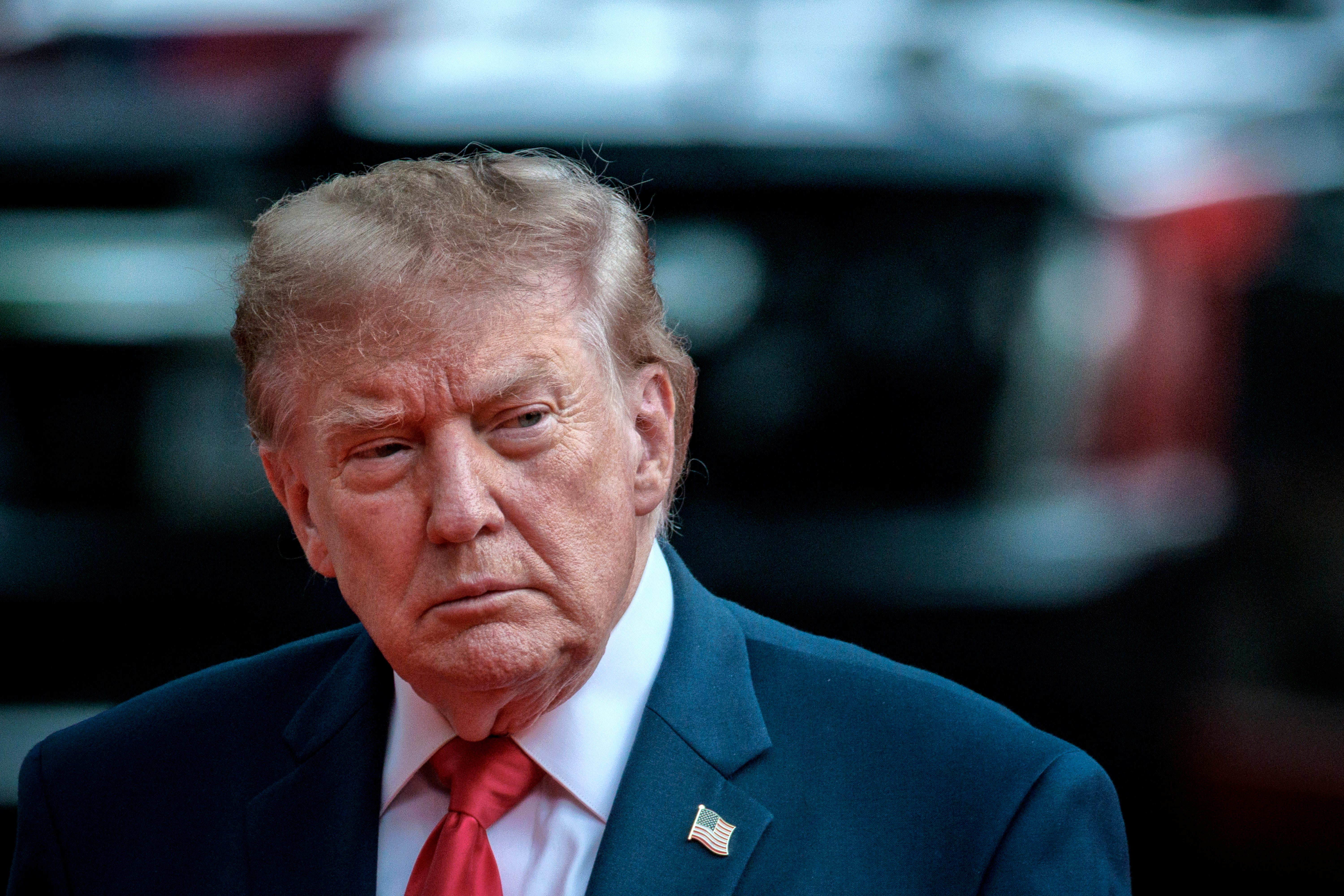
U.S. President Donald Trump takes part in arrival honors with Philippine President Ferdinand “Bongbong” Marcos Jr. at Malacanang Palace on November 18, 2026, in Manila, Philippines. (Photo by Ezra Acayan/Getty Images)
Under Trump’s mandate, starting January 1, 2027, this former U.S. colony would be restricted to importing agricultural goods solely from the United States. Exclusively from the U.S. and at significantly higher prices, to the detriment of the Filipino consumer.
The fact that he specifically singled out Brazil suggests a desire to stifle the Brazil of the Lula administration, a government that has challenged Trump’s delusional obsession with imposing the “Donroe Doctrine” upon our entire region.
Trump is a “lame duck” president who suffered a historic pummeling in the Midterm Elections. But as I have previously written, he may well become even more dangerous and unpredictable.
The press has called Trump’s statements “blackmail.” Our agribusiness sector, largely supportive of Bolsonaro, has stood by with the look of a resigned steer being led quietly to the slaughterhouse.
Yet, everyone has overlooked one crucial point.
What Trump has done constitutes an international crime.
His actions violate all the norms and principles of the international system governing trade. The 1947 General Agreement on Tariffs and Trade and the 1995 World Trade Organization established a framework that the United States itself imposed upon the world, including Brazil and the Philippines.
His actions also specifically violate the “most-favored-nation” (or third-country) clause, a foundational principle of global trade that requires a nation to treat all other members of the international trading system equitably, without discrimination.
If the WTO’s dispute settlement system were functional, Trump’s America would already be paying billions for the damages it has inflicted upon the entire world. Unfortunately, it is not working, solely due to the U.S. sabotaging its Appellate Body.
Trump is a gangster. A global-scale thug who believes he can impose his will through the raw, unbridled use of force.
He is still capable of causing a great deal of harm over the next two years.
William H. McRaven served in the U.S. Navy from 1977 to 2014, including a stint as Commander of the United States Special Operations Command from 2011 to 2014.
He aptly wrote in a recent article for Foreign Affairs that “there is good reason to worry that the delusion [of imposing one’s will through force] will deepen in the years ahead.”
“Presidential power is becoming increasingly personalized as the constraints on it continue to erode,” he wrote. “The politicization of the military (along with the diplomatic corps and intelligence communities) is making it less likely that policymakers will receive the best advice, including frank warnings about risks and costs. And the rise of artificial intelligence and new weapons technologies reinforces a sense of complete battlefield awareness and mastery, feeding superpower hubris. The risk of overreach has never been higher, at a time when the damage from overreach is becoming more difficult to repair.”
In other words, Trump may well become even more “Trump.”
Marcelo Zero is a Sociologist, a specialist in International Relations, and an advisor to the Workers’ Party leadership in the Senate. This article was published by Brasil 247. It was translated by Panamanian Dispatch. You can read the original, in Portuguese, here.
The views expressed in this article are those of the author and do not necessarily reflect the position of Panamerican Dispatch.