

by João Antonio Cunha
On August 25, Amnesty International revealed that Meta had failed to block most of 15 AI-generated political disinformation ads about Brazil’s elections that it set up to test its respect for Brazilian laws. On September 16, a similar test run by the Eko Movement showed 87% of the disinformation ads it contracted with Meta were approved, including “AI ads depicting execution-style threats against lawmakers and calling for a “stop the steal”-style coup.” One week later, Meta pulled down President Lula’s Facebook page and blocked his campaign from running political ads. The page is now back online, but Lula's electoral coalition says it damaged the president’s campaign while down. - PD
Meta disabled the Facebook page of President Luiz Inácio Lula da Silva on Wednesday. It also restricted the ad account linked to his campaign.
The platform gave no justification for the move, in its communications with Lula's Workers’ Party. The PT and the “Brazil Ready for More” electoral coalition have demanded explanations.
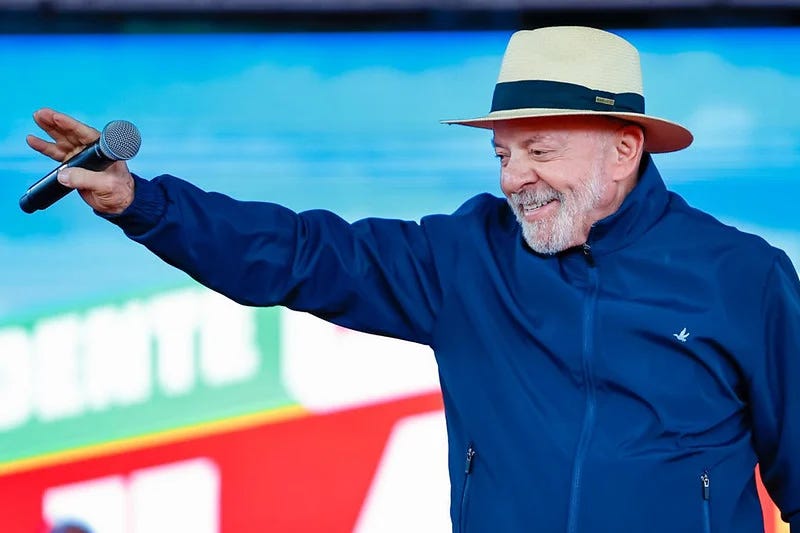
Lula campaigning in Santa Catarina (photo: Ricardo Stuckert)
In a complaint sent to Meta on Thursday, the campaign asked for the immediate restoration of the account “Eleições 2026 Luiz Inácio Lula da Silva Presidente,” which would allow the campaign to run and promote new ads and share audiences.
The legal team also asked that the measure be immediately submitted to “direct human review by analysts from the platform’s legal and compliance department.”
It also asked Meta to “immediately contain, freeze and preserve all digital evidence linked to the account, including log records and the full database of the account.”
The campaign’s lawyers and the party told the platform that the restriction “poses a serious risk to the candidate’s level playing field in the election.”
The legal team said the account was disabled “unilaterally, without cause and without any objective justification.”
It said the move surprised Lula and those in charge of his campaign.
Campaign cites closeness of first-round vote
In the appeal, the lawyers pointed to how close the vote is. They also noted the effects that restricting political accounts can have during an election period.
With less than 11 days left before the first round of the general election, they said, unilaterally deactivating, blocking or limiting accounts, profiles and channels of communication is “extremely serious” under electoral law.
The Lula campaign complained that the digital environment plays a central role in political debate and that restricting Lula’s ad account harms his ability to campaign.
Lula’s legal team also said that the move puts Lula in an unequal position compared with the other candidates. They demanded that the platform respond about its decision.
“This case is an example of Meta ignoring the systemic risks to the election, given that it disregards the potential harm of unjustifiably restricting the ad account tied to a candidate for president of Brazil,” the complaint says.
Workers’ Party considers turning to Supreme Electoral Court
If Meta does not grant the requests, the campaign and the party say they could turn to the courts. The appeal mentions filing “lawsuits aimed at preserving the rights of the affected political actors, as well as holding the application provider civilly, criminally and electorally liable.”
The Workers Party’s national communications secretary, Éden Valadares, also said they have not ruled out taking the case to the Superior Electoral Court.
“Brazil’s electoral contest, its campaigns and its vote cannot be left at the mercy of the political preferences of the big tech companies, whose supposed programming errors only hit and harm one campaign and one candidate,” Valadares wrote in a post on X.
The campaign’s legal team said the restriction came less than 11 days before the first round. It considers the period especially sensitive for election communication.
João Antonio Cunha is an editor at Brasil 247
This article first appeared in Brasil 247 and has been posted in English with permission of the news organization. Read it in its original Portuguese, here.