


by Guilherme Levorato
A commitment to environmental protection has once again become a guiding principle for Brazil’s international engagement. It’s bolstered by significant results in reducing the destruction of Brazil’s biomes.
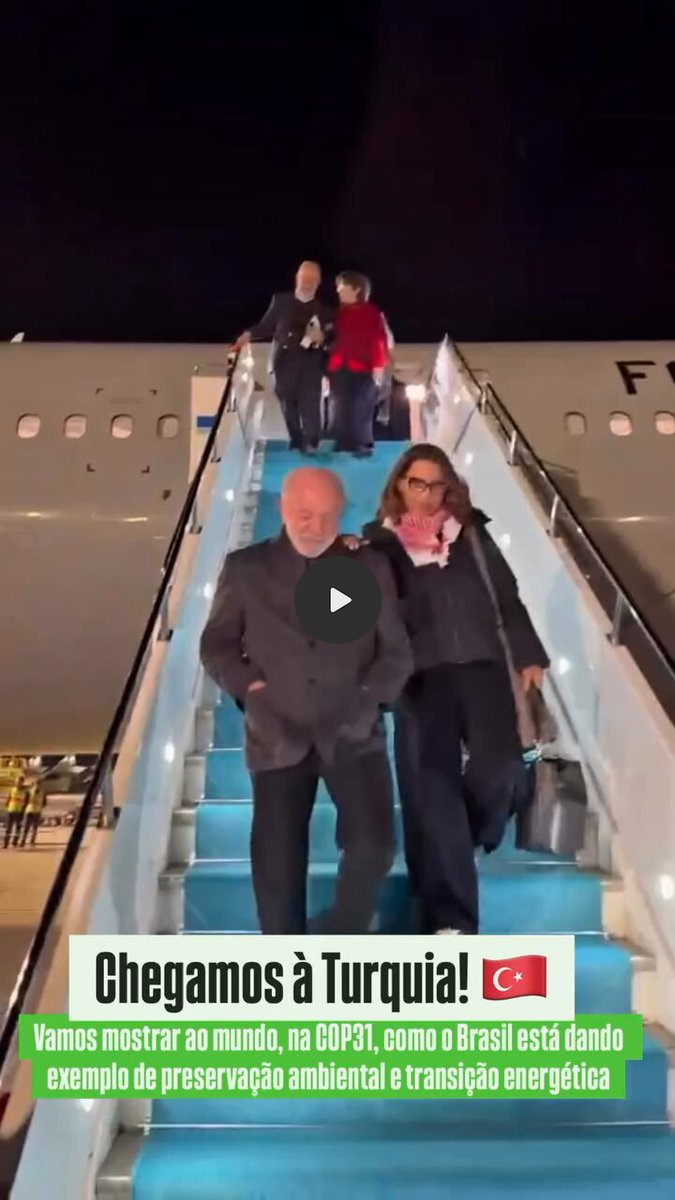
In a statement released this Tuesday, October 10, during his participation in COP31 in Antalya, Türkiye, Brazilian President Luiz Inácio Lula da Silva emphasized that ecological preservation represents a sovereign government decision.
General view of the Amazon forest on Cotijuba Island in Belem, Para state, Brazil, on November 13, 2025. (Photo by Pablo PORCIUNCULA / AFP) (Photo by PABLO PORCIUNCULA/AFP via Getty Images)
This comes as data from Brazil’s National Institute for Space Research indicate that deforestation in the Amazon plummeted by 71.2% in 2026 compared to the final year of the Jair Bolsonaro administration in 2022. In Brazil’s Cerrado, the reduction reached 48.4% over the same period.
These figures are among the lowest recorded since the Institute for Space Research began its monitoring deforestation in Brazil. It began tracking the Amazon in 1988 and the Cerrado since 2001. This substantial decline reflects the restructuring of state oversight and enforcement efforts, following years in which public protection frameworks had been dismantled.
According to Lula, the drop in these indicators is a direct result of his government’s restoring of public policies focused on sustainability.


“The lowest deforestation rates since monitoring began in both the Amazon and the Cerrado,” said President Lula. “The resumption of environmental policies that had previously been abandoned. The reactivation of the Amazon Fund, which had been left dormant. The strengthening of regulatory and enforcement agencies,” the president listed.
This shift in the approach to the ecological agenda has strengthened the country’s position in international climate negotiations.
In outlining Brazil’s presence at the multilateral forum in Türkiye, Lula highlighted the strategic role of government choices in building new economic models.
“Brazil has returned to the COP to show that it is possible to reconcile environmental preservation with sustainable development. It also shows that the preservation of our biomes is a political choice. A choice that defines the future of Brazil and of generations to come,” the president said.
The progress achieved in decreasing deforestation in Brazil’s two largest biomes comes amid a government plan to eradicate forest destruction in the coming years.
President Lula reiterated the nation’s determination to meet its established goals, and reaffirmed Brazil’s commitments to the international community.
“This is the path we will continue to follow,” Lula said. “With the objective of reaching zero deforestation by 2030.”
This article was originally published by Brazil 247. It was translated by Panamerican Dispatch. You can read the original, in Portuguese, here.