


By Gabriel Gomes
Supporters of President Luiz Inacio Lula da Silva returned to the streets on Sunday, October 18, for a nationwide mobilization in defense of democracy and the president’s reelection. The second round of the presidential election is set for October 25.
Demonstrations in various regions of the country brought together students, artists, social movements, and political leaders in a show of support for the president.
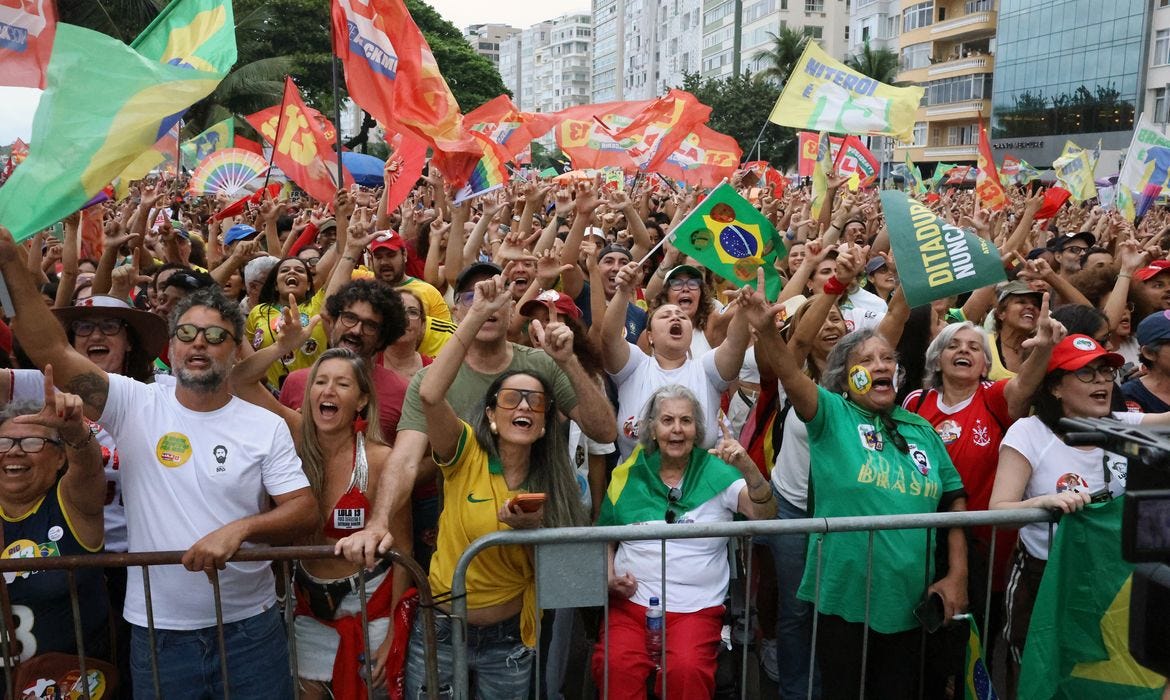
Lula supporters rally in Rio de Janeiro, Brazil on Sunday, October 18 (Rovena Rosa/Agência Brasil)
Carrying Brazilian flags, wearing red t-shirts, and holding signs, people occupied streets, squares, and avenues in state capitals, including Rio de Janeiro, Brasília, Salvador, São Paulo, Belo Horizonte, Porto Alegre, Florianópolis, and Maceió. Many of the rallies were accompanied by musical performances.
The demonstrations also aim to engage undecided voters and encourage people to participate who did not cast a ballot in the first round.
Some of these mobilizations are part of the “Bora Virar” (“Let’s Turn It Around”) initiative, which seeks to bolster Lula’s candidacy in the final stretch of the race against Senator Flávio Bolsonaro. The movement gained momentum following the first round of voting on October 4, when the far-right candidate finished ahead of President Lula.
This Sunday’s rallies are the latest in a series of demonstrations organized primarily by students and social movements since the start of the second round campaign. On October 11, a huge demonstration took place on Avenida Paulista in São Paulo, with Lula himself in attendance.


Rio de Janeiro: Artists Gather in Support of Democracy and Lula’s Reelection
Copacabana Beach, in the South Zone of Rio de Janeiro, served as the setting for a major concert and political rally in support of President Lula’s reelection this Sunday, October 18. Organized by singer Caetano Veloso and the “342 Artes” movement, the “Musical Act for Democracy” brought together artists from various generations and musical styles, alongside supporters of the president. The concert began around 2:00 PM near Posto 5, with musical performances starting at 4:15 PM, opened by singer-songwriter Edu Krieger. Artists in attendance include Caetano Veloso, Djavan, Simone, Marina Sena, Chico César, João Bosco, Frejat, Fernanda Abreu, Ivan Lins, Rubel, Duda Beat, and Xamã.
The rally transformed the Rio de Janeiro waterfront into a space for political and cultural expression, uniting music with the defense of democracy during the final stretch of the race between Lula and Flávio Bolsonaro.
The musical event in Copacabana also faced a legal challenge aimed at stopping it.
The right-wing Novo Party petitioned the Superior Electoral Court to block the demonstration, arguing that the artists’ performances could constitute “disguised campaign rallies.” Justice Ricardo Villas Bôas Cueva, however, denied the request and allowed the event to proceed. The organizers clarified that the initiative is not part of Lula’s official campaign agenda and that a portion of the expenses would be covered by their own funds.
Actor Paulo Vieira, who hosted the event, criticized the legal attempt to block it. “They tried to prevent this event from happening, but they failed. Democracy is precisely this: the ability to create art, to sing, and to express oneself,” Vieira said. “This is not a campaign rally, it is not a ‘show-rally’, and it is not a campaign act.”
Members of the crowd wore T-shirts and displaying stickers supporting Lula. They also waved flags. Several politicians are present, including congressman-elect Guilherme Cortez (PSOL-SP) and Congressman Henrique Vieira, both from the left Socialism and Liberty Party.
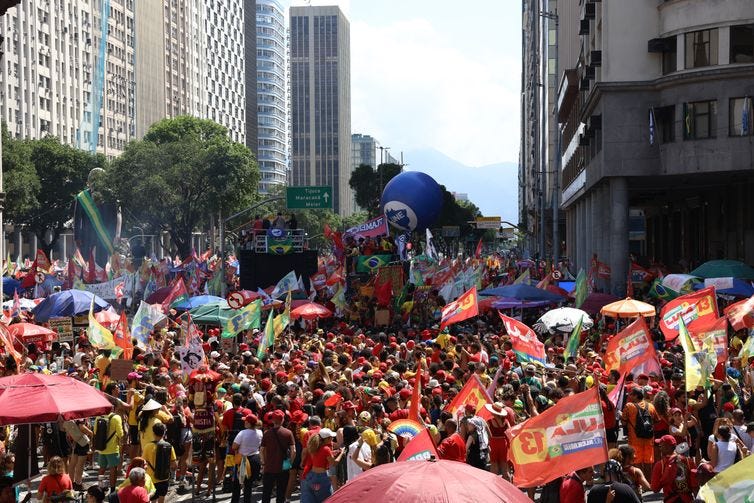
People rally in support of Lula's reelection in Candelária, Rio de Janeiro, on October 19, 2026 (Rovena Rosa/Agência Brasil)
Rio de Janeiro: Students Occupy Candelária, Chico Buarque Defends Democracy.
Also in Rio de Janeiro, students, social movements, and supporters of the president gathered in the Candelária area, in the city center, this Sunday morning. Organized by the National Union of Students and supported by political parties such as the Workers’ Party nd the Democratic Labour Party, the demonstration focused on defending public education, the youth, and democracy.
Participants occupied a stretch of Avenida Presidente Vargas, carrying flags, signs, and slogans in support of Lula’s reelection.
A major highlight was the appearance of singer-songwriter Chico Buarque, who was greeted by the crowd. Addressing the attendees, the artist spoke in defense of democracy and underscored the pivotal role of students in political mobilization.

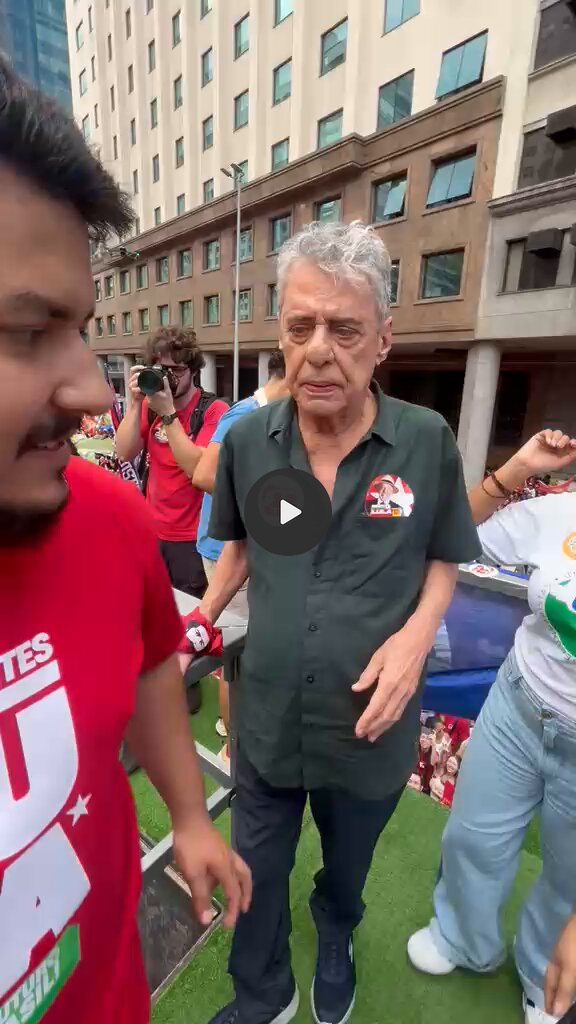
“We are here to stand against brutality and subservience. Long live the students, long live democracy, and long live President Lula!” Chico Buarque said, to the cheers of the participants.
In Rio de Janeiro, a demonstration also took place near the Madureira Overpass, in the city’s North Zone.
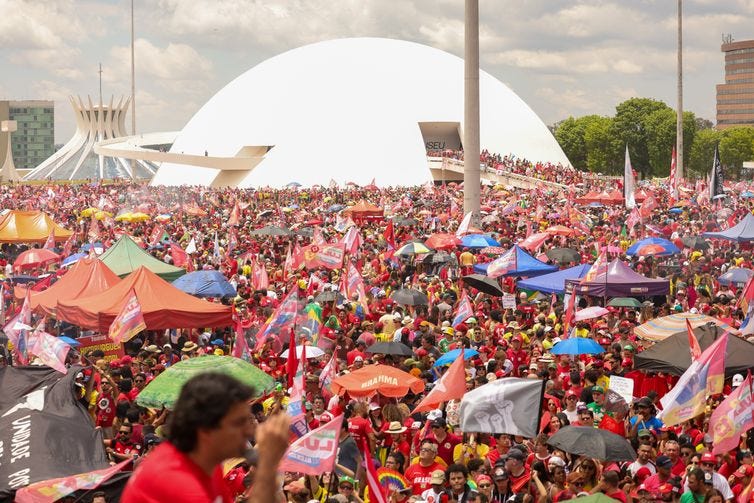
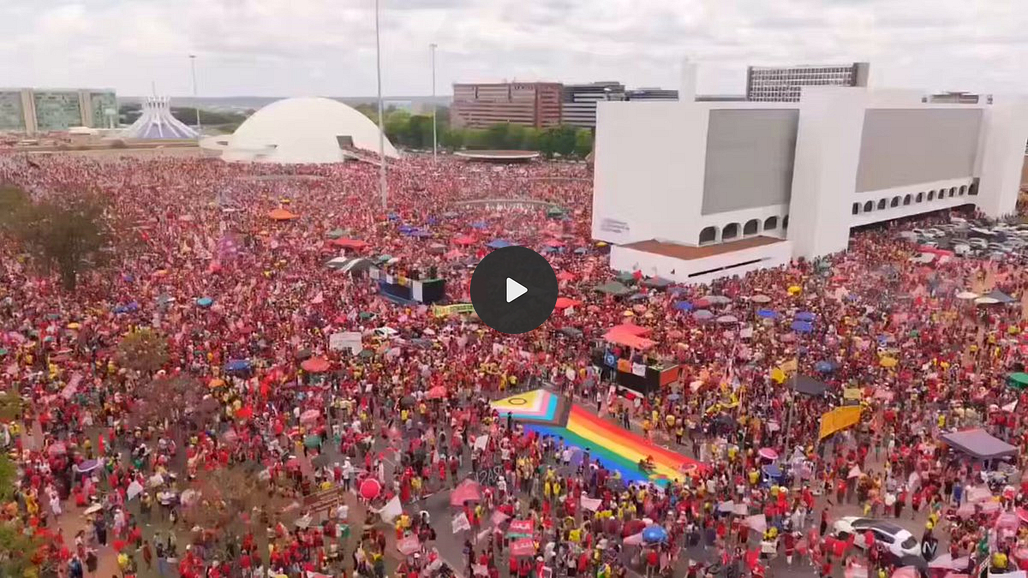
Lula supporters fill the Esplanade of Ministries in Brasilia on October 18, 2026 (Fabio Rodrigues-Pozzebom/ Agência Brasil)
Brasília: Supporters March Along the Esplanade Toward the National Congress
In the capital, Brasilia, supporters of Lula occupied the Esplanade of Ministries from the early hours of the morning. The gathering began around 9:00 a.m. in front of the National Museum of the Republic, with protesters setting off on a march in support of the president’s reelection. The mobilization led to road closures in the central area of Brasília.
Around noon, the participants headed toward the National Congress.
This mobilization came just days after another event held on the Esplanade last Tuesday (13), organized by the student union of the University of Brasília. Thousands of people took part in that demonstration, highlighting the role of the student movement in the reelection campaign.
Lula remained in Brasília throughout the day but did not attend the demonstration in person.
Salvador: Gilberto Gil, Daniela Mercury, and BaianaSystem in Rally for Democracy
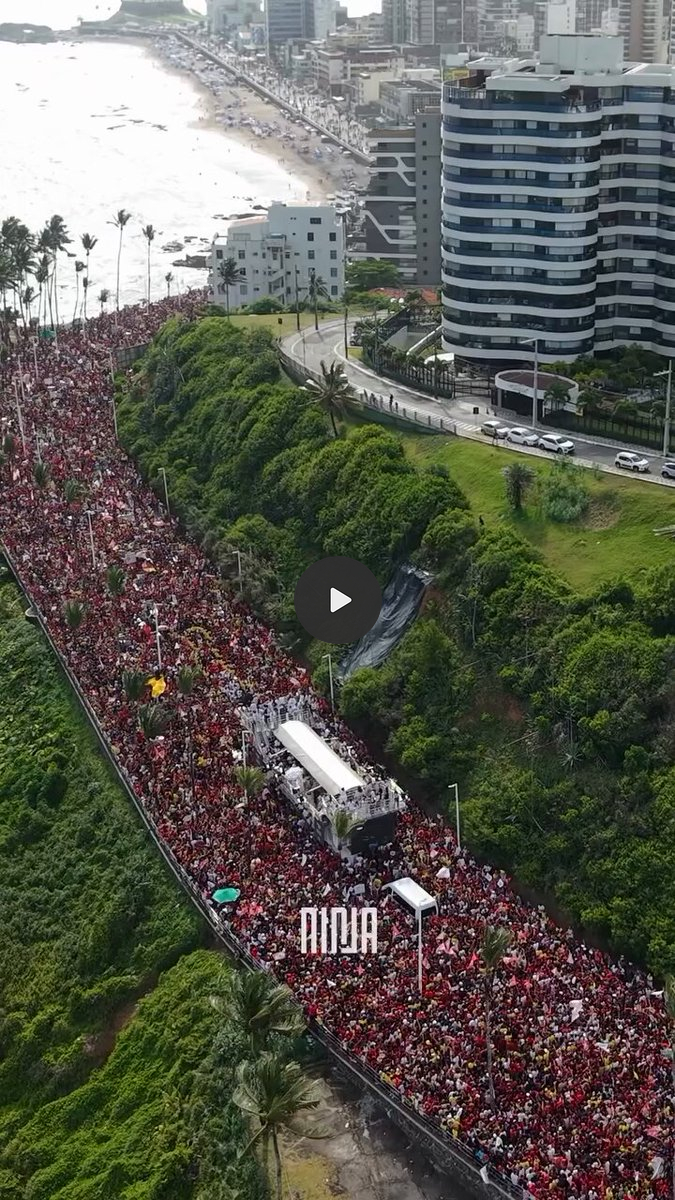
In Salvador, music and political mobilization converged at a “Rally for Democracy” held on Sunday, featuring prominent figures from Brazilian culture.
The gathering began at 1:00 p.m. A sound truck led the rally, which marched toward the Farol da Barra lighthouse. Among the artists who made an appearance were Gilberto Gil, Daniela Mercury, BaianaSystem, Zélia Duncan, Armandinho Macêdo, O Kanalha, Rachel Reis, and Buja Ferreira, lead singer of the band Timbalada.
The lineup also included traditional groups from Afro-Bahian culture, such as Ilê Aiyê, Cortejo Afro, Filhos de Gandhy, and Banda Didá.
Conceived by Daniela Mercury, the event was presented by its organizers as an independent civil society initiative aimed at defending democracy, freedom of expression, and collective rights.
The mobilization also expressed support for Lula’s candidacy.
São Paulo: Mobilizations Hit the City’s Poor Neighborhoods
In São Paulo, supporters of Lula organized demonstrations across different parts of the city, with a special focus on low-income neighborhoods. In the morning, crowds gathered at Largo da Batata and Vale do Anhangabaú. Aadditional events were scheduled for the afternoon in areas such as Grajaú and Itaquera.
The mobilization aimed to extend the campaign’s reach beyond the central districts of São Paulo, foster direct dialogue with the public and win over new voters during the final week before the election.
This Sunday’s events followed a series of demonstrations that gained momentum in São Paulo after the first round of voting. On October 11, supporters of the candidate occupied a long stretch of Avenida Paulista in an event that included the participation of Lula himself. Reports indicate that the gathering spanned approximately 12 city blocks along the avenue.
Belo Horizonte: Supporters Return to the Streets for the Second Consecutive Day
In Belo Horizonte, protesters gathered at Praça da Estação, in the city center, starting at 11:00 a.m. Organized via social media, the event brought together supporters of Lula’s reelection bid and sought to encourage popular participation in the runoff election.
The demonstration took place one day after another large rally was held in the city. On Saturday, October 17, participants marched through the streets of the city center.
Minas Gerais is a key state in the presidential race. In the first round, Flávio Bolsonaro received 47.03% of the valid votes in the state, while Lula garnered 45.16%. In light of this result, Lula supporters intensified their efforts to increase his vote share among Minas Gerais residents.

Porto Alegre: March and Concert
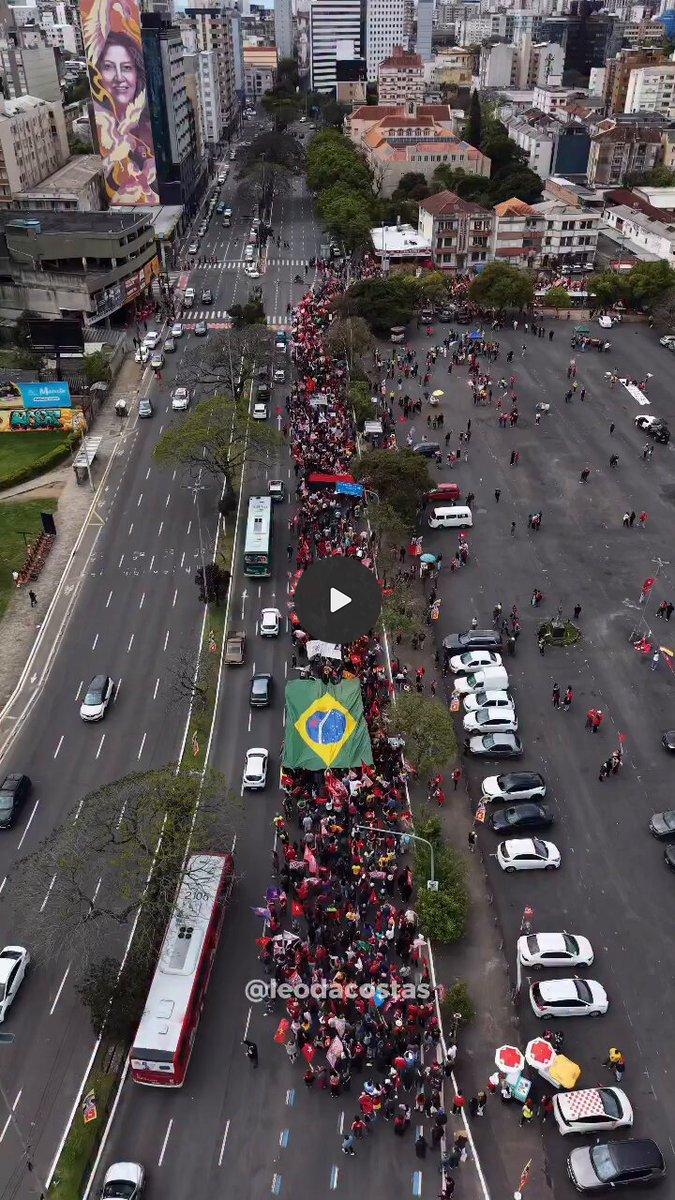
In the capital of Rio Grande do Sul, supporters of the president began gathering around 11:00 a.m. at Largo Zumbi dos Palmares. The demonstration brought together leftist political leaders from the state, with participants dressed predominantly in red and carrying flags of the Workers’ Party and Brazil.

Florianópolis: Thousands Participate in March in Support of Lula
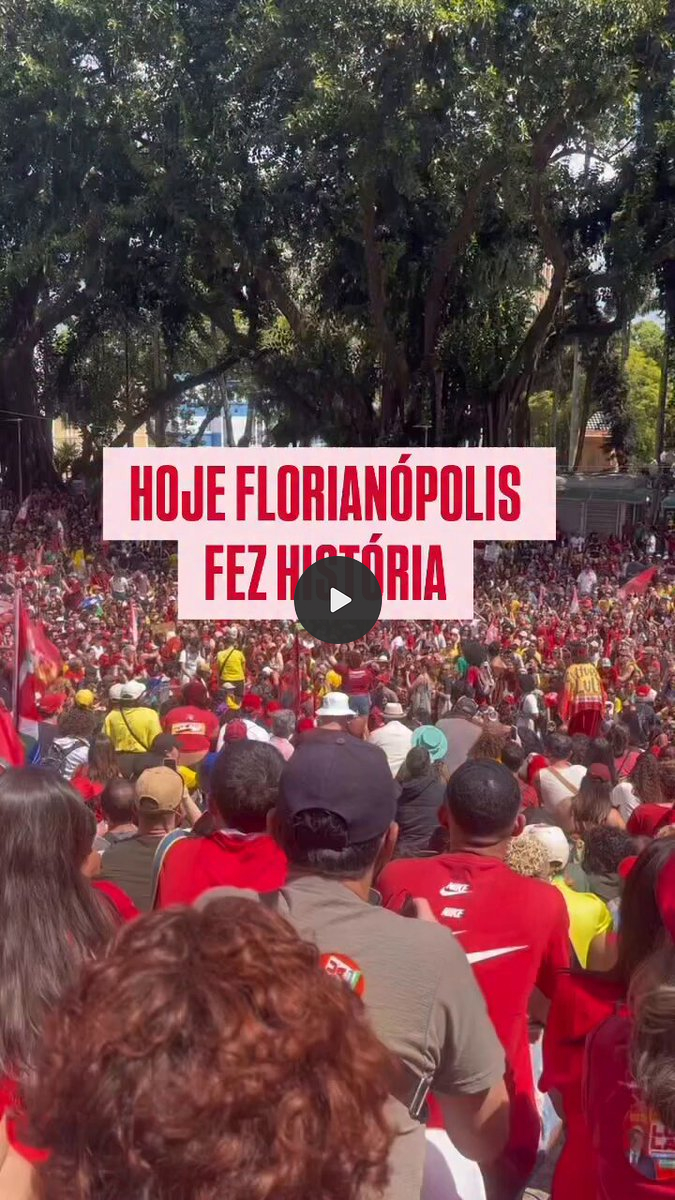
In Florianópolis, thousands of Lula supporters took part in a march through the city center. The rally began around 11:00 a.m. and included the presence of artists, political leaders, and representatives from movements allied with the Workers’ Party candidate.
Following the march, the demonstrators gathered in front of the Metropolitan Cathedral of Florianópolis.
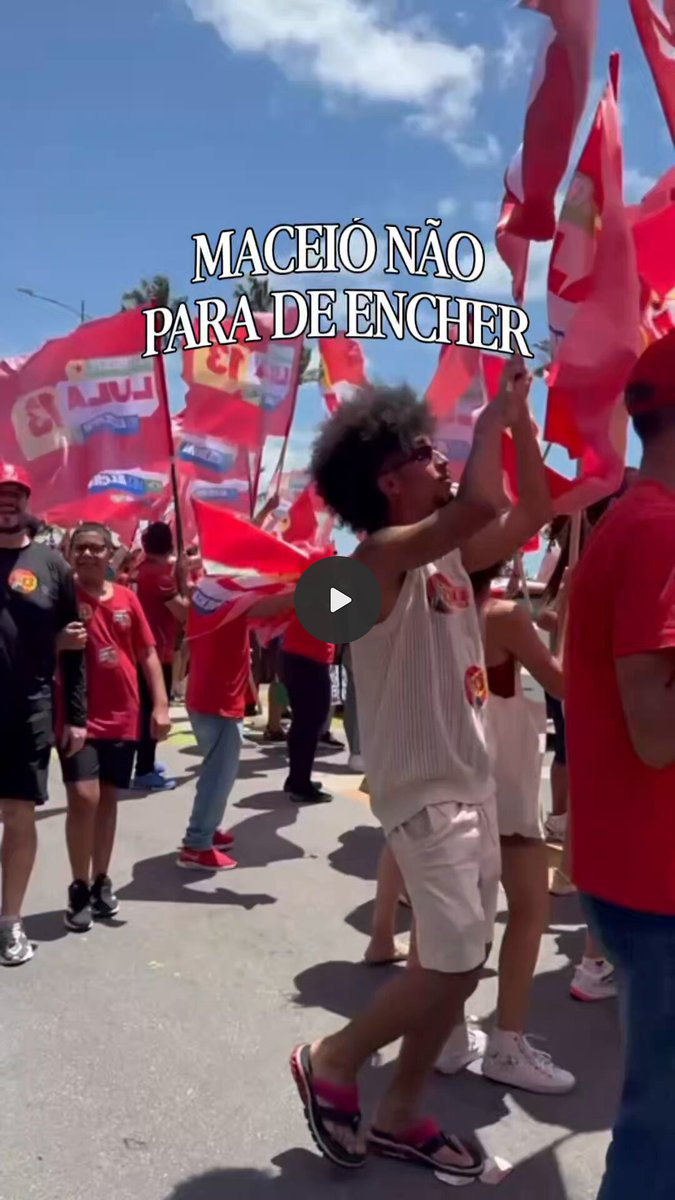
Maceió: March Highlights Defending Education and Sovereignty
In Maceió, supporters of Lula took to the streets of the capital of Alagoas for a march in favor of the president’s reelection. Images shared by the account “Alagoas Que Queremos” (“The Alagoas We Want”) show a large gathering of demonstrators with flags, banners, and signs.
Among the causes championed by the participants are the promotion of public education, national sovereignty, and the continuation of social investments. The demonstration is also part of efforts to secure additional votes during the final stretch of the presidential campaign.

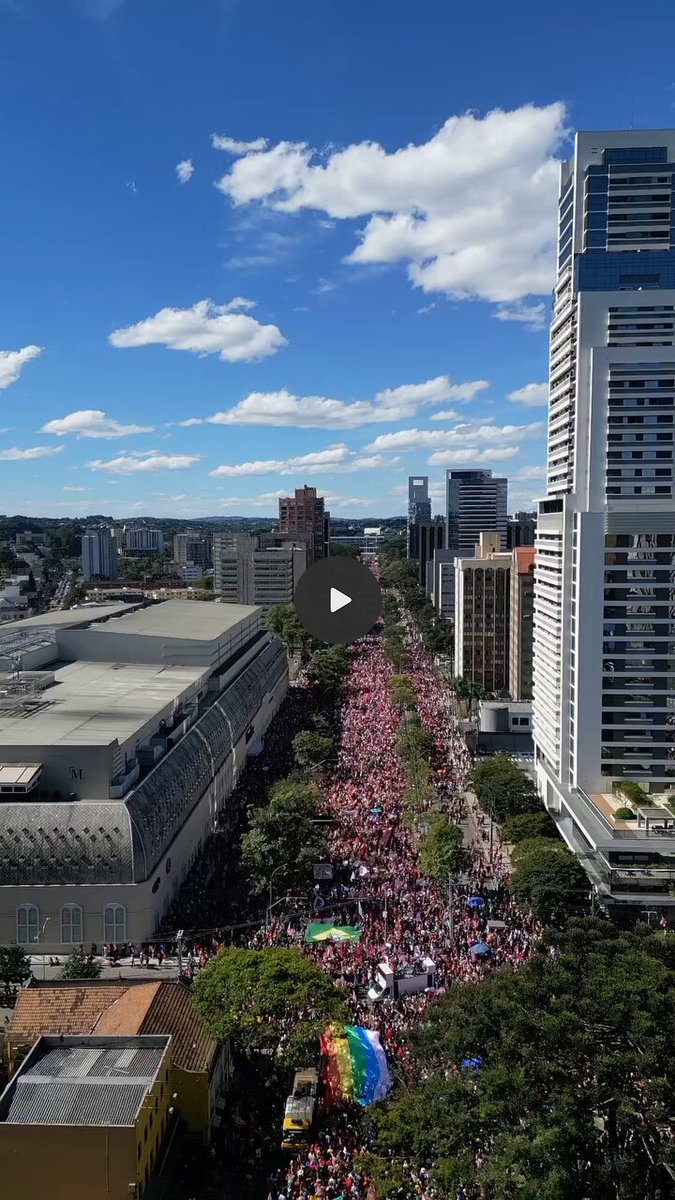
Curitiba and Other Cities Also Join the Mobilizations
In Curitiba, supporters of Lula held a demonstration starting at 1:00 p.m. at Praça 19 de Dezembro, located in the center of the capital of Paraná.
In addition to the state capitals where demonstrations have already been reported, events also took place in cities across states in more than half of the country.
The runoff vote is scheduled for next Sunday, October 25.
This article was originally published by ICL Noticias. It was translated by Panamerican Dispatch. You can read it in its original language, Portuguese, here.